

Leads Marketing
Families searching for home care agencies need more than service descriptions—they need trust. But which content formats actually convince them to reach out?
One statistic reveals why personalized content outperforms generic marketing by a stunning margin, and six specific formats prove it.


Key Takeaways
- Studies show 70% of consumers feel more valued by personalized content, making targeted content marketing essential for home care agencies to build trust with families.
- Six specific content formats—blog posts, videos, infographics, e-books, case studies, and social media—work together to address family concerns and establish authority in the senior care market.
- Video content builds emotional connections faster than text alone, with client testimonials and caregiver interviews proving most effective for home care leads.
- Local SEO optimization combined with strategic content distribution can dramatically increase visibility when families search for care services "near me."
Home care agencies face a unique challenge in today's digital environment. Families making care decisions for aging loved ones need more than service descriptions—they need trust, reassurance, and proof that an agency truly understands their situation. The solution lies in strategic content marketing that speaks directly to these emotional and practical needs.
Studies Show 70% of Consumers Feel More Valued by Personalized Content—Here's What Works in Home Care
Research consistently shows that personalized, relevant content creates stronger connections between businesses and potential clients. In home care, this statistic becomes even more powerful because families are making deeply personal decisions about their loved ones' well-being. When agencies create content that directly addresses family concerns—from cost worries to caregiver qualifications—they build the foundation for trust that leads to inquiries and referrals.
The key difference between effective home care content and generic marketing lies in understanding the family's journey. Adult children researching care options often feel overwhelmed by choices and worried about making the wrong decision.
Content marketing succeeds in home care because it allows agencies to demonstrate their expertise and compassion before families ever make contact. This approach reduces customer acquisition costs while attracting higher-quality leads who are already educated about services and more likely to convert.

Blog Posts That Answer Real Family Questions
Blog content serves as the foundation of most successful home care marketing strategies. Families turn to search engines with specific questions, and agencies that provide clear, helpful answers position themselves as knowledgeable resources. The most effective blog posts address common concerns with practical, actionable information.
1. Cost & Payment Guidance Articles
Financial concerns top the list of family worries when considering home care services. Articles that break down typical costs, explain insurance coverage options, and provide budgeting tips address this anxiety directly. Successful posts might include "5 Ways to Make Home Care More Affordable" or "Understanding Medicare Coverage for Home Health Services." These articles work because they provide immediate value while subtly demonstrating the agency's understanding of family financial pressures.
2. Caregiver Qualification Explainers
Families want assurance that caregivers are properly trained, screened, and supervised. Blog posts that explain certification requirements, background check processes, and ongoing training programs help build confidence in the agency's standards. Articles such as "What Qualifications Should You Expect from Professional Caregivers" and "How Home Care Agencies Ensure Caregiver Quality" address trust concerns and highlight the agency's commitment to excellence.
3. "Signs It's Time" Decision Guides
Many families struggle with recognizing when professional care becomes necessary. Educational content that lists warning signs—like frequent falls, medication management issues, or social isolation—helps families make informed decisions. These guides position the agency as a helpful resource rather than a pushy salesperson, building trust that often leads to future contact when needs arise.
Video Content Builds Emotional Trust Fast
Video content creates emotional connections that text alone cannot achieve. In home care marketing, videos allow families to see real people, hear authentic stories, and get a feel for the agency's culture and values. This visual medium proves particularly powerful for addressing the emotional aspects of care decisions.
1. Client Testimonial Videos
Authentic testimonials from satisfied families provide social proof that resonates with potential clients. These videos work best when they focus on specific outcomes rather than generic praise. A family describing how home care helped their father maintain independence after a stroke carries more weight than general statements about "excellent service." Short, genuine testimonials shared on websites and social media platforms create trust and encourage referrals.
2. Caregiver Interview Features
Videos featuring caregivers discussing their passion for helping others humanize the agency and showcase the quality of staff. These interviews allow potential clients to get to know the people who might care for their loved ones. Effective caregiver videos highlight experience, training, and personal motivation while maintaining professionalism.
3. Behind-the-Scenes Care Stories
Videos that show caregivers in action (with client permission) demonstrate the reality of home care services. These might include footage of meal preparation, companionship activities, or mobility assistance. Behind-the-scenes content helps families visualize what care looks like in practice and reduces anxiety about inviting strangers into their homes.
Infographics Break Down Complex Care Information
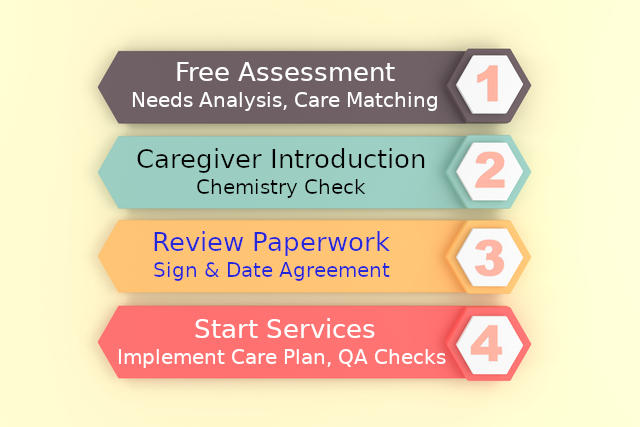
Visual content like infographics excels at making complicated information digestible. Home care involves numerous considerations—from service types to payment options—that can overwhelm families. Well-designed infographics simplify these complexities into easy-to-understand visuals that families can quickly scan and share.
1. Home Preparation Checklists
Infographics outlining steps for preparing a home for care services provide immediate, practical value. These visual guides might cover safety modifications, medication organization, or communication setup. Families appreciate clear action items, and these resources are often shared among family members, extending the agency's reach organically.
2. Care Statistics & Benefits
Data-driven infographics highlighting the benefits of professional home care—such as reduced hospitalization rates or improved quality-of-life measures—provide compelling evidence for families still weighing options. Statistics presented visually are more memorable than text-based data and can be easily shared on social media platforms.
E-books Position Your Agency as the Authority
Detailed guides and e-books establish agencies as industry experts while providing substantial value to families. These longer-form resources work well as lead magnets, encouraging families to provide contact information in exchange for detailed guidance. E-books also demonstrate the depth of an agency's knowledge and commitment to education.
1. Service Guides
Detailed guides explaining different levels of care—from companion services to skilled nursing—help families understand options and make informed decisions. "The Complete Guide to Home Health Care Services" might cover service types, typical schedules, and coordination with medical professionals. These resources serve as reference materials that families return to throughout their decision-making process.
2. Family Transition Resources
E-books focused on the emotional and practical aspects of transitioning to home care address family concerns beyond basic service information. Topics might include communicating with aging parents about care needs, managing family disagreements, or adjusting to having caregivers in the home. These resources demonstrate understanding of the broader family experience.
Case Studies Provide Social Proof That Drives Referrals
Detailed case studies provide concrete evidence of successful outcomes and help potential clients envision similar results. Unlike brief testimonials, case studies can examine challenges, solutions, and measurable improvements. This format works particularly well for complex care situations or specialized services.
1. Client Recovery Success Stories
Case studies documenting recovery progress—such as mobility improvement following hospitalization—demonstrate the agency's role in positive outcomes. These stories work best when they include specific details about challenges faced, interventions provided, and measurable results achieved. Healthcare professionals often appreciate this level of detail when making referrals.
2. Quality of Life Improvements
Stories that focus on enhanced daily living—such as a client returning to favorite hobbies with caregiver assistance—appeal to families concerned about maintaining their loved one's happiness and dignity. These case studies emphasize the personal care aspect that distinguishes quality agencies from purely medical providers.
3. Family Peace of Mind Examples
Case studies that highlight reduced family stress and improved communication demonstrate benefits beyond direct client care. Stories about how regular updates and professional oversight allowed adult children to focus on their relationship with their parent rather than constant worry resonate with decision-makers.
Social Media Humanizes Your Brand Through Direct Engagement
Social media platforms offer opportunities for real-time interaction with families and referral sources. Unlike other content types that work as one-way communication, social media enables conversations that build relationships and trust. Consistent, helpful social media presence keeps agencies top-of-mind when care needs arise.
1. Q&A Sessions with Families
Live or scheduled Q&A sessions on platforms like Facebook allow agencies to address common concerns directly. These sessions demonstrate expertise while providing immediate value to participants. Questions about services, costs, or care coordination can be answered publicly, benefiting multiple families simultaneously.
2. Caregiver Recognition Posts
Posts celebrating caregiver achievements, work anniversaries, or community involvement showcase the agency's team and values. These human interest stories help potential clients connect with the agency on a personal level while demonstrating staff quality and retention.
3. Educational Tips & Resources
Regular posts sharing health tips, safety reminders, or caregiving advice position the agency as a helpful resource beyond just service provision. Educational content is frequently shared, extending reach to new audiences who may need services in the future.
Local SEO Makes You Discoverable When Families Search "Near Me"
Local search optimization ensures agencies appear when families search for services in their area. With most care decisions made based on proximity and convenience, local SEO becomes vital for lead generation. Families often search with urgent needs, making immediate visibility essential.
1. Google Business Profile Optimization
A complete, optimized Google Business Profile serves as the foundation for local visibility. This includes accurate contact information, service descriptions, photos, and regular updates. Encouraging satisfied families to leave reviews further improves local search rankings while providing social proof to potential clients.
2. Location-Specific Content Strategy
Creating content that incorporates local keywords and addresses community-specific needs improves search visibility. Blog posts about "Home Care Services in [City Name]" or "Senior Resources in [County]" help agencies rank for location-based searches while providing relevant local information.
A Done-For-You System Can Deliver Multiple Content Types With Media Placements
Implementing a content strategy across multiple formats requires significant time and expertise that most home care agencies lack internally. Professional content marketing services can provide consistent, high-quality output across all six content types while managing distribution and optimization. This systematic approach ensures steady lead generation while allowing agency owners to focus on client care and business operations.
The most successful home care agencies recognize that content marketing isn't optional in today's digital environment—it's essential for sustainable growth. By addressing family concerns through multiple content formats and maintaining consistent local visibility, agencies build the trust and authority that drive referrals and direct inquiries.